Soft Luxury Wardrobe Essentials That Earn Repeat Wear
A practical wardrobe framework for building a refined, soft-luxury look through repeatable silhouettes, fabric hand, color relationships and a few personality pieces instead of trend-heavy shopping.
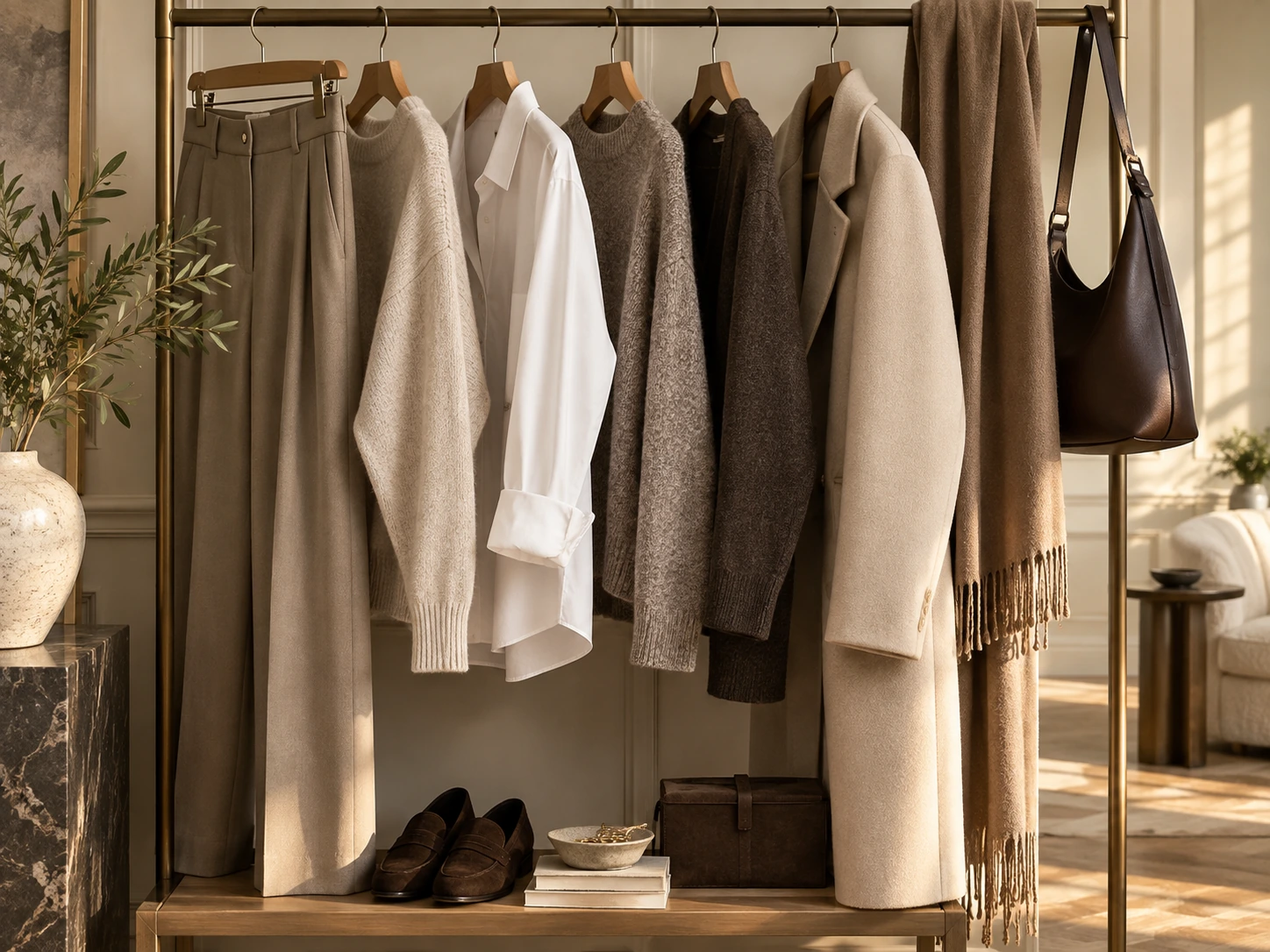
A wardrobe does not feel luxurious because every piece is neutral, expensive or labeled timeless. It feels considered when the clothes fit the life, repeat well and create a clear material and silhouette language.
What matters most
- 01
Build from silhouettes you genuinely repeat rather than a universal capsule checklist.
- 02
Use fabric hand, drape and condition to create refinement before relying on logos or trends.
- 03
Keep a connected palette, but allow personality pieces that work hard in real outfits.
- 04
Buy layers and shoes around the climate and routine you actually have.
- 05
Measure usefulness by repeat wear and outfit combinations, not by how classic an item is called.
Define the life the wardrobe has to dress
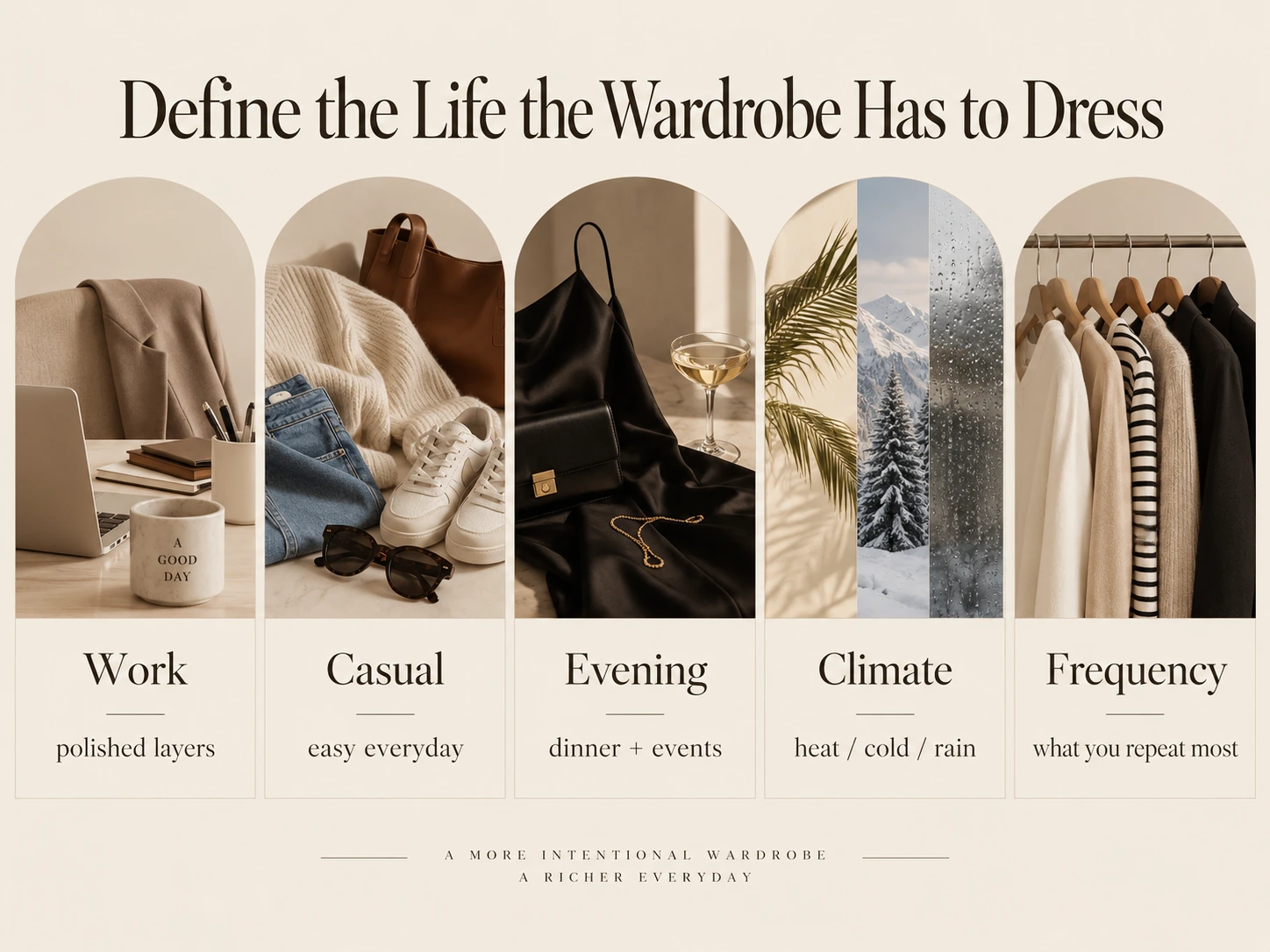
Start with a real week: work, errands, school runs, dinners, travel, weather and the occasions that actually occur. A wardrobe built for an imagined lifestyle can look elegant and still be unusable.
Count how often you need tailoring, casual clothes, dressier pieces and practical weather layers. The category with the highest frequency deserves the strongest options and the easiest combinations.
This keeps the wardrobe from becoming a collection of aspirational staples that are rarely worn.
Choose repeatable silhouettes before specific items
Notice the shapes you already reach for: straight or wide trousers, fitted or relaxed knits, long or cropped jackets, fluid skirts, shirt dresses or simple denim. Those silhouette preferences are more useful than copying someone else’s capsule.
Once the shapes are clear, choose better versions that combine with each other. A tailored layer is valuable if it works over the tops and trousers you actually own.
A soft-luxury wardrobe feels coherent because proportions repeat, not because every garment belongs to the same brand.
Use fabric hand and drape as the quiet signal
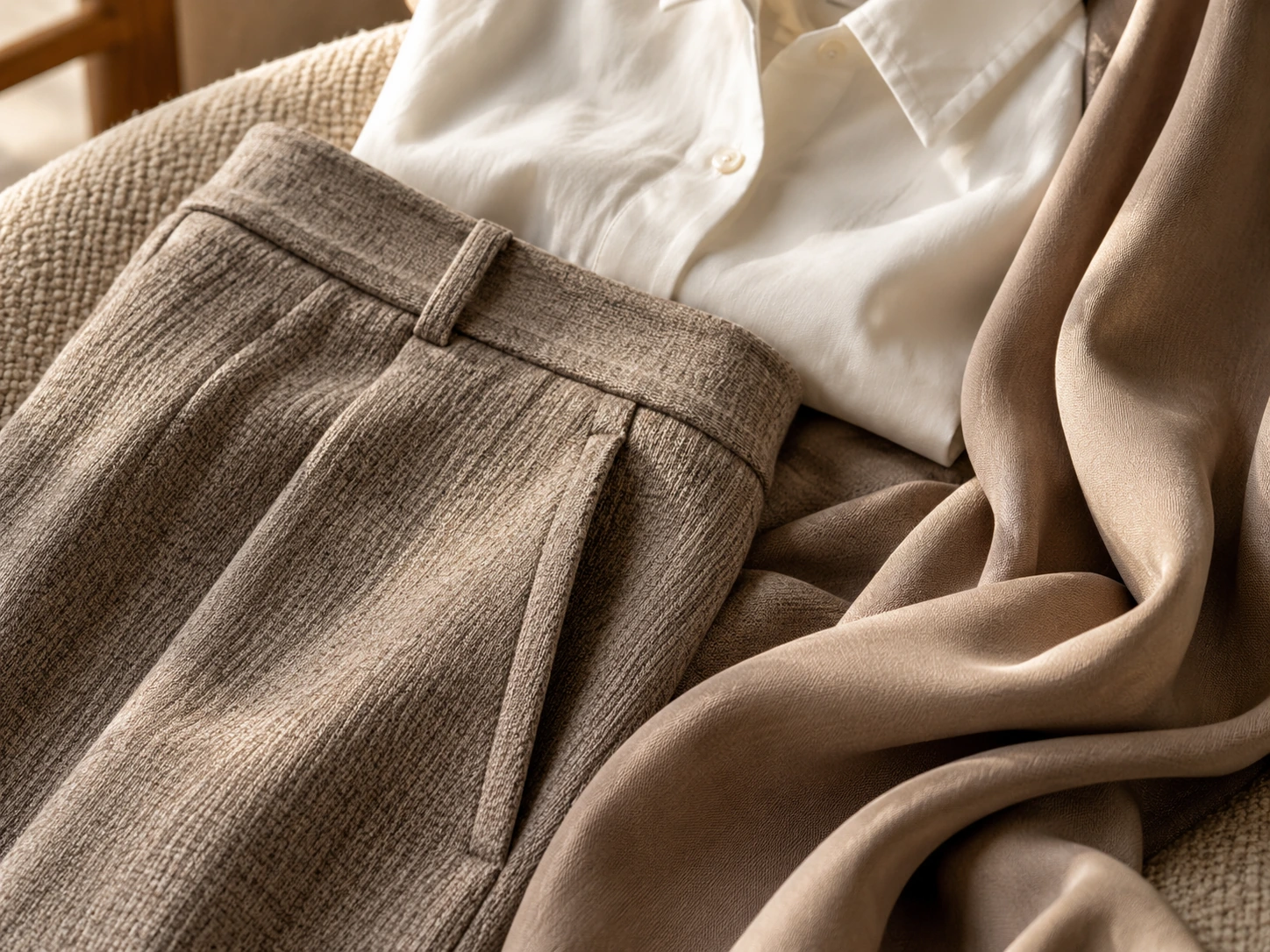
Refinement often comes from how a garment hangs, moves and recovers rather than from a visible label. Look at the weight, surface, lining, seams and whether the fabric suits the intended structure.
Soft knits should feel comfortable and hold their shape appropriately; trousers should fall cleanly for the cut; shirts should suit the level of crispness or fluidity you want.
Material quality is not reducible to one fiber name. Construction, blend, care and how the fabric behaves in use all matter.
Build a connected palette without making it colorless
A connected wardrobe does not require beige from top to bottom. Choose a practical base family, then add colors you repeatedly enjoy wearing.
Navy, chocolate, charcoal, cream, olive, burgundy, camel, soft blue and black can all behave as useful anchors depending on the person. The important part is that enough pieces share relationships to create multiple combinations.
Use accent colors where they improve the wardrobe rather than treating color as something that must be justified.
Choose the trouser or lower-half shapes that carry the week
For many wardrobes, the lower half determines how often tops and jackets can be repeated. One clean trouser, one casual option such as denim and one alternative shape may cover more real life than five statement bottoms.
Fit at the waist, rise, seat and hem has more impact on polish than whether the piece is currently described as essential.
Choose footwear alongside the trouser shape so hem length and shoe line work together.
Use knitwear and shirts as repeat layers
Soft knitwear, shirts and simple tops earn space when they work alone and under outer layers. Keep enough variety in neckline and weight that repeating the same trousers does not make every outfit feel identical.
The exact formula can be personal: crew knit plus trousers, shirt plus denim, fine knit under blazer, or a soft cardigan over a dress.
Choose care requirements you can realistically maintain. A beautiful garment that is too demanding for the routine may not become a repeat-wear piece.
Choose one tailored layer that works with the rest
A blazer, jacket or structured cardigan can change the finish of simple clothes quickly, but it should fit over the tops you own and work with the actual climate.
Look at shoulder line, sleeve length, closure and how the jacket behaves open as well as closed. If it only works with one exact outfit, it is not functioning as an essential.
The layer should add shape without requiring a completely separate wardrobe underneath.
Let outerwear and shoes reflect the real climate
Wardrobe lists often assume a trench, wool coat and several boot types regardless of location. Build outerwear around actual rain, heat, cold and transport patterns instead.
Shoes should support the distances you walk and the dress codes you repeatedly encounter. A polished wardrobe becomes less useful when the finishing pieces are too uncomfortable or climate-inappropriate to wear.
This is one reason universal capsule lists should be treated as inspiration rather than prescription.
Use accessories to change the same base clothes
Belts, scarves, jewelry, bags and sunglasses can shift the mood of repeated clothing without expanding the wardrobe dramatically. This is where a small number of distinctive pieces can do more work than another basic top.
Current Vogue coverage continues to show accessories as an easy way to reframe existing outfits, from scarves and jewelry to bags and eyewear.
Choose accessories that create a real new combination rather than duplicates that differ only slightly.
Continue with this part of the plan Finish simple outfits intentionallyUse belts, bags, jewelry, scarves and sunglasses to solve specific proportion and focal-point problems.
Read the guide →Keep personality pieces in the system
Harper’s Bazaar has recently argued against treating only neutral basics as the legitimate workhorses of a wardrobe. That is a useful correction: a patterned coat, unusual skirt or colorful knit can be highly practical if it is worn repeatedly.
Define an essential by how much work it does in your life, not by whether it appears on a conventional capsule list.
The refined wardrobe should still look like the person wearing it.
Use a cost-per-wear mindset without pretending it predicts the future
Price alone cannot tell you whether a garment is good value. Estimate how often a piece can realistically be worn, what it pairs with and whether its care requirements suit the routine.
A more expensive coat worn several times a week may earn its place; an inexpensive top that never leaves the hanger is still wasted wardrobe capacity.
Treat cost per wear as a decision prompt rather than a guarantee. Fit, durability, changing needs and personal preference can all alter actual use.
| Category | Ask first | Useful sign | Warning sign |
|---|---|---|---|
| Trouser / denim | Does the shape work with my real shoes and tops? | Repeats across several weekly outfits | Needs one exact shoe or top |
| Knit / shirt | Can it work alone and layered? | Comfortable across several temperatures | Care is too demanding for routine |
| Tailored layer | Does it fit over my actual base pieces? | Works open and closed | Only suits one outfit |
| Outerwear | Does it suit the climate and transport? | Used repeatedly in season | Bought for an imagined weather need |
| Accessory | Does it change several existing outfits? | Creates new combinations | Duplicates something already owned |
Edit by outfit dependency, not only by garment category
A wardrobe can contain the right number of shirts, trousers and jackets and still be difficult to use because individual pieces depend on very specific partners. Look for items that repeatedly require one exact bra, shoe, jacket or weather condition before they work.
High-dependency pieces are not automatically bad, but they should earn their complexity through frequent wear or strong personal value. If several rarely worn items all require separate supporting purchases, the wardrobe is becoming less flexible rather than more refined.
When choosing a new essential, count how many existing pieces it can connect to without requiring another purchase. That relationship is often more useful than whether the item belongs to a traditional capsule category.
Run the 30-outfit test before adding more
You do not need literally thirty photographed outfits, but try building several weeks of combinations from the current wardrobe before shopping. Note where the same gap appears repeatedly.
If the problem is always a missing layer, shoe or bag, that category may deserve attention. If combinations are already plentiful, a new garment may be desire rather than a wardrobe need.
There is nothing wrong with buying for pleasure. The useful distinction is knowing whether the purchase is solving a wardrobe gap or simply adding variety.
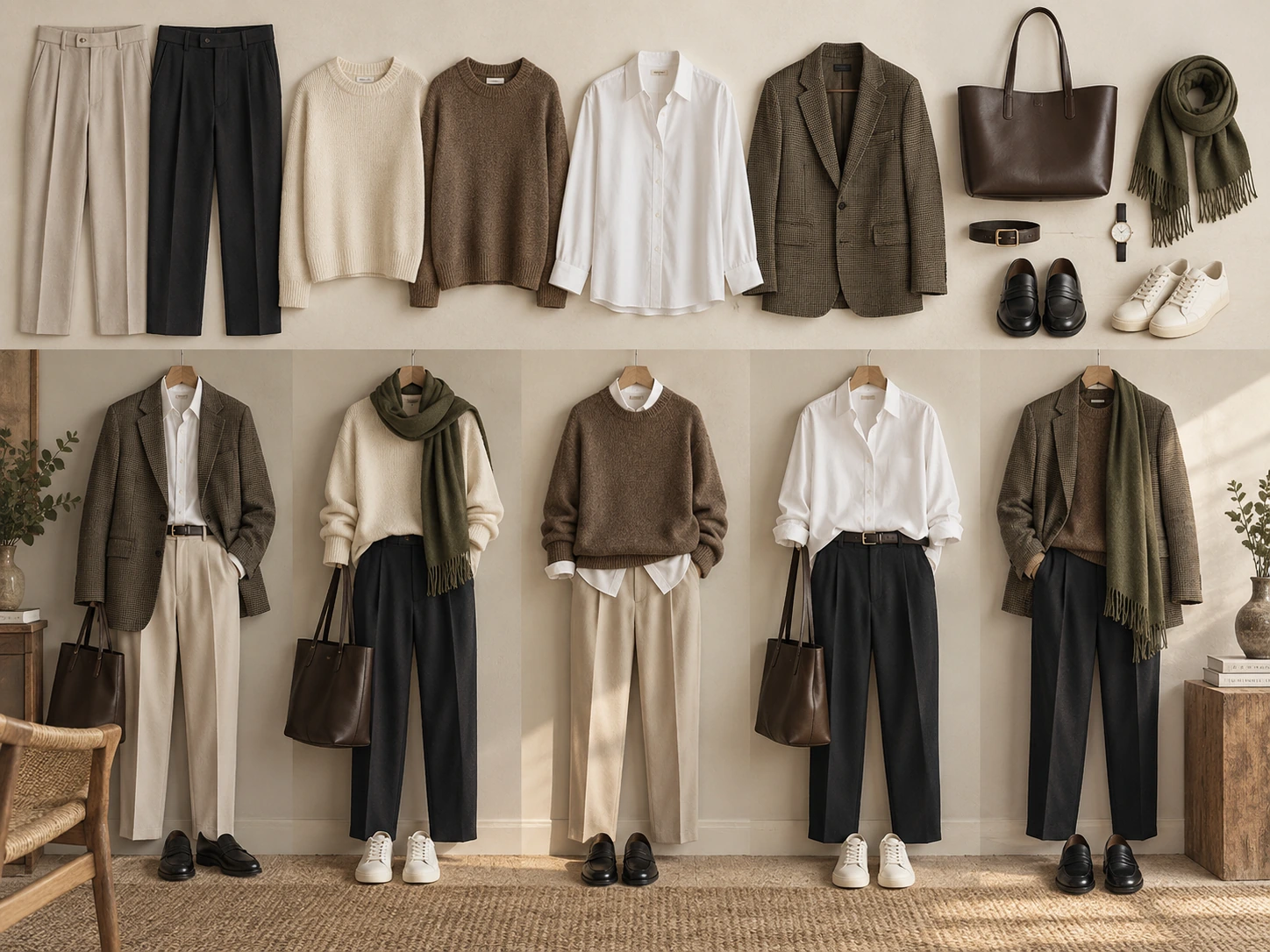
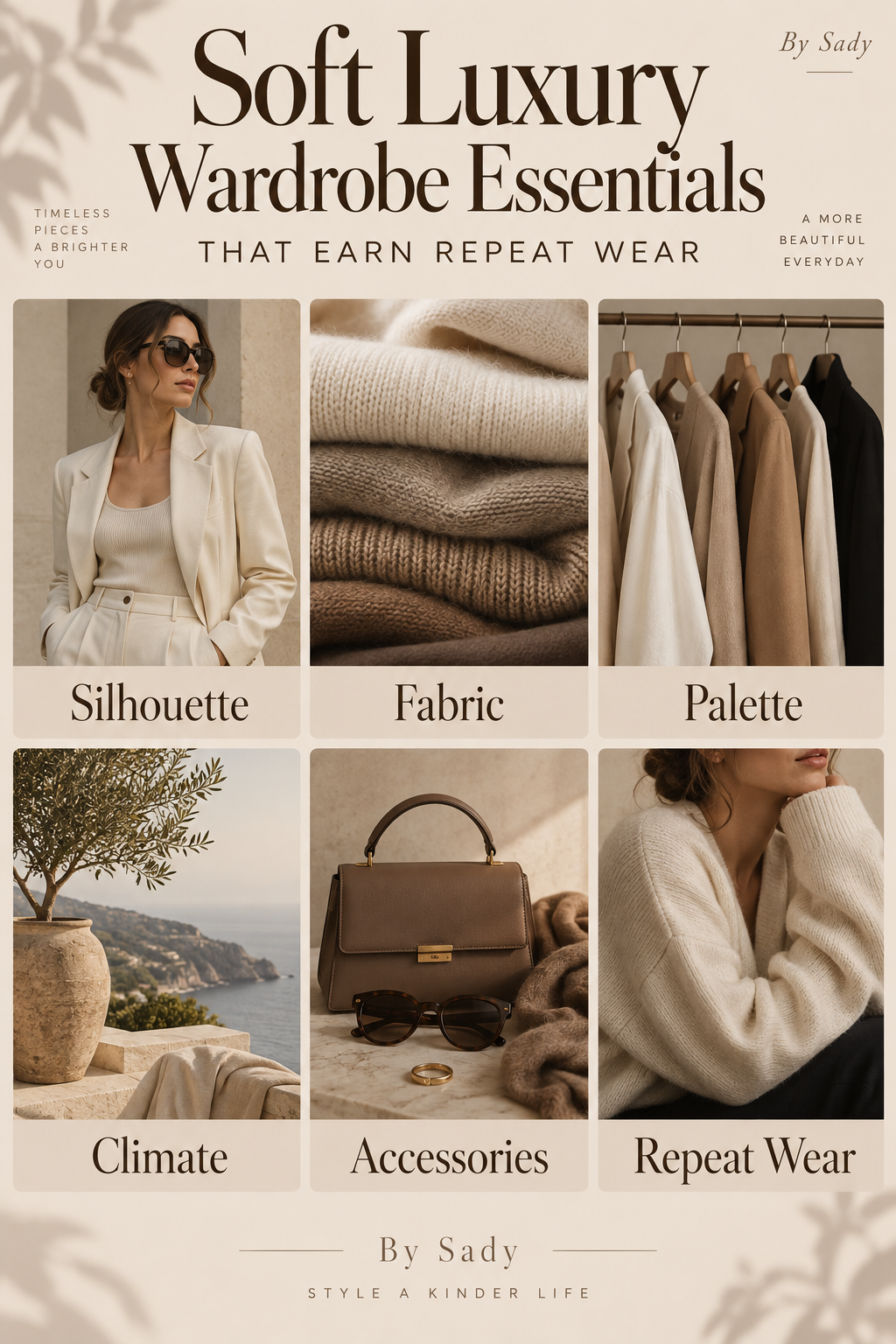
Keep the visual summary.
This is the condensed version of the guide, useful when you are planning, comparing options or returning to the key decisions later.
Where the measurable guidance comes from
By Sady's styling advice is editorial. Where this guide uses measurements or specific planning guidance, these are the references used. Always measure your own room and follow local electrical and building requirements.
- Harper’s Bazaar: An Argument Against Basic Wardrobe Essentials
Current editorial perspective on why expressive pieces can be as practical as conventional neutral staples.
- Vogue: Essential Accessories for a Timeless Wardrobe
Editorial reference for repeat-wear accessory categories such as bags, belts, jewelry, sunglasses and scarves.
- Vogue: Anatomy of a Look — Fall 2026
Current 2026 styling reference showing how designers combine wearable staples, personality pieces, layers and accessories rather than relying on one uniform formula.
More from Wardrobe.
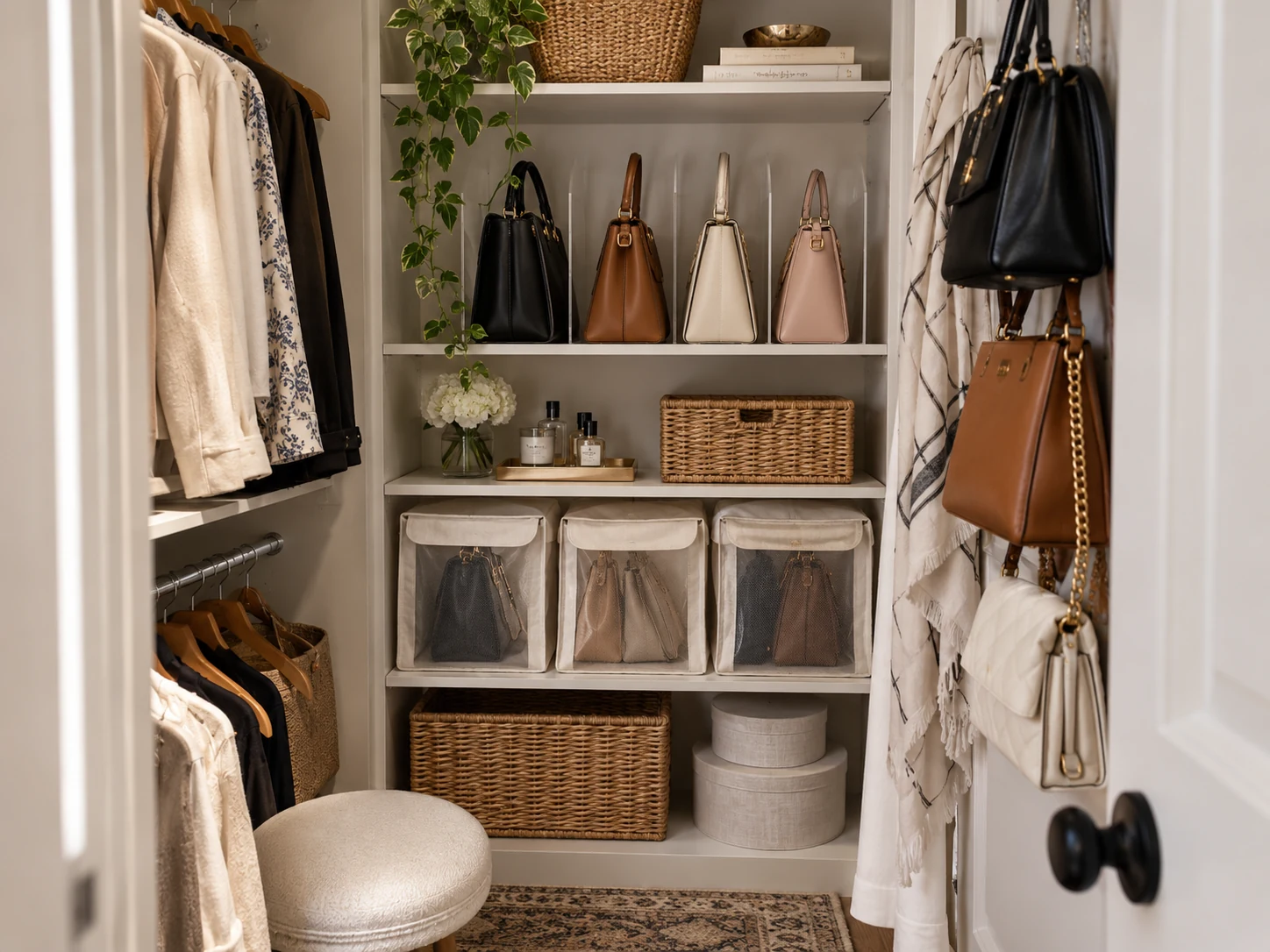
Handbag Storage Ideas for Small Closets
Practical handbag storage for small closets: shelves, dividers, hooks, dust bags and rotation systems that keep bags visible enough to use without crushing them together.
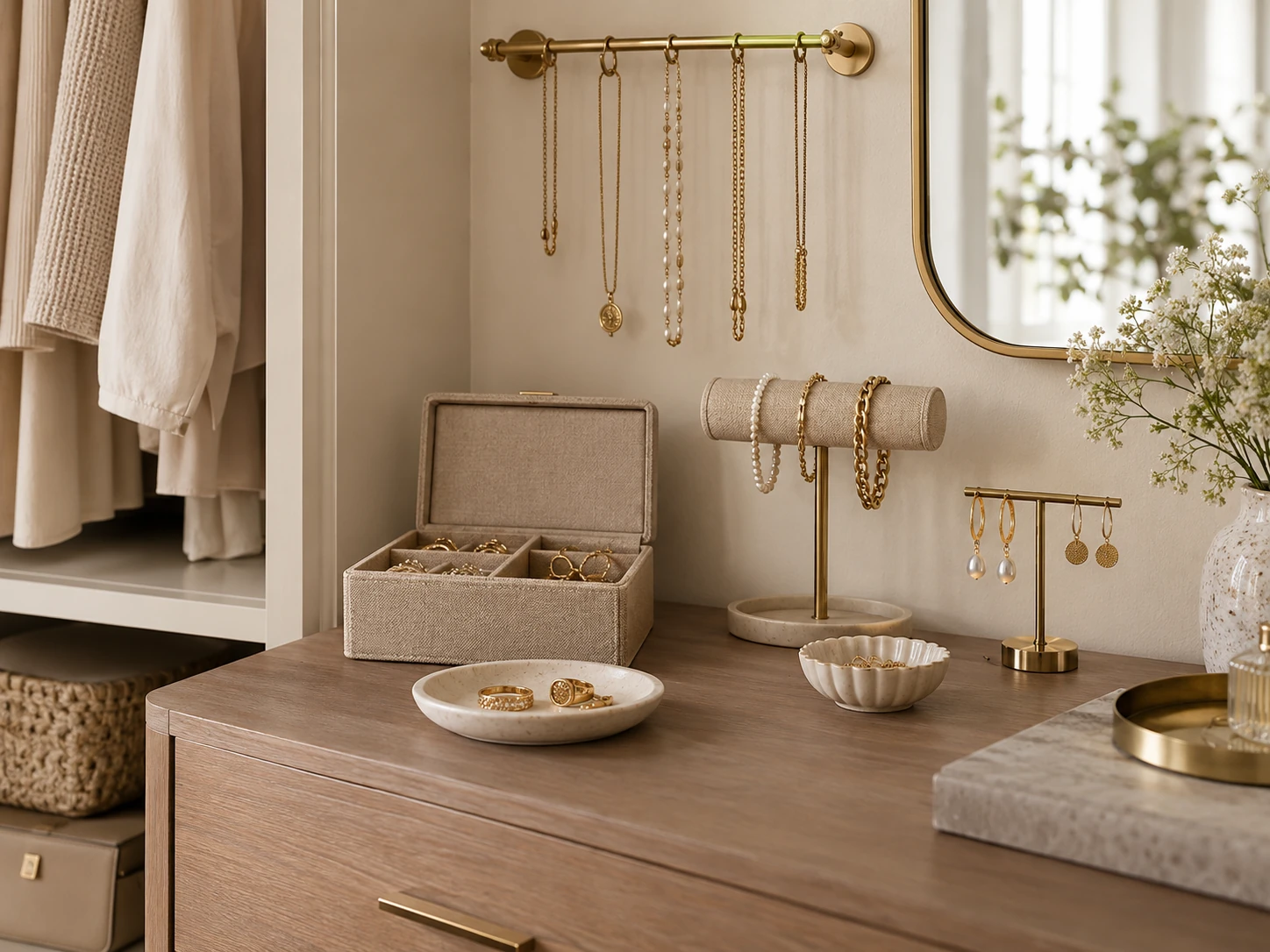
Jewelry Storage Ideas for Small Spaces
A small-space jewelry storage system for rings, earrings, necklaces and everyday pieces, with practical ways to reduce tangles, scratches and visual clutter.
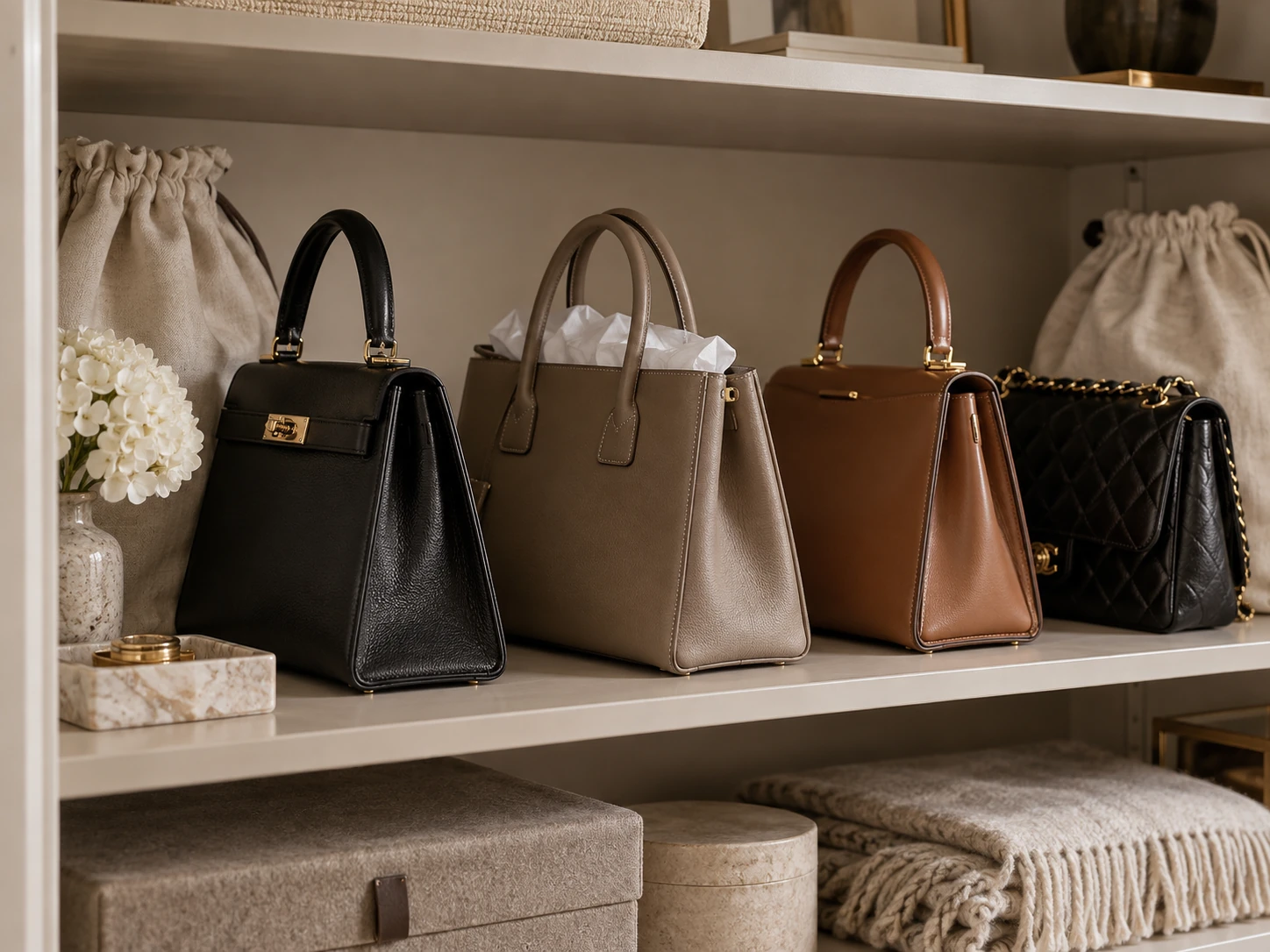
How to Store Handbags Without Ruining Their Shape
A care-first handbag storage guide covering stuffing, straps, dust bags, shelf support, sunlight and the mistakes that can distort structured and soft bags over time.