
Cream Living Room Ideas That Still Have Depth and Definition
A practical cream living-room guide using value contrast, wood, texture, art and lighting so pale upholstery and walls do not dissolve into one flat field.
Cream works when it has edges. Without darker anchors, wood, texture or shadow, the room can dissolve into one pale field.
Part of the By Sady guide Neutral Living Room Ideas →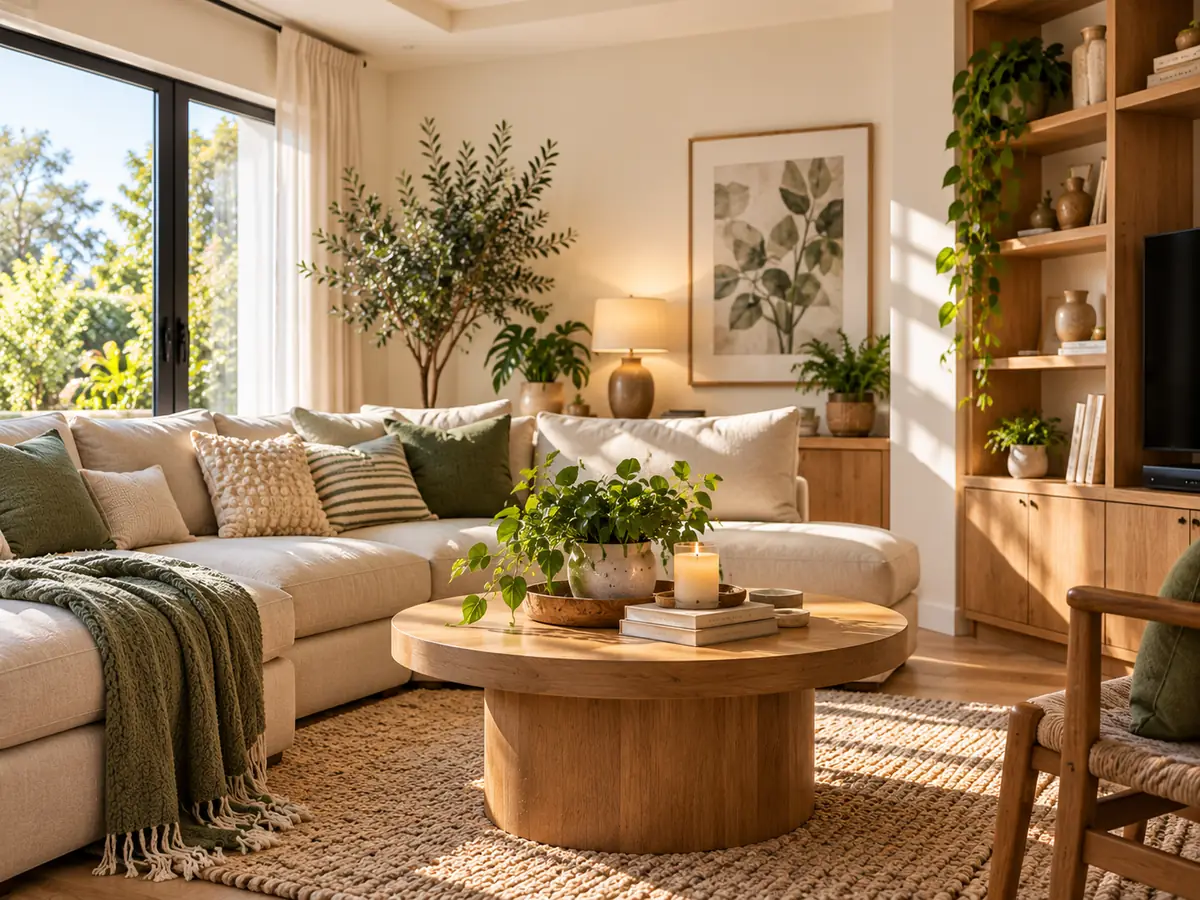
What matters most
- 01
Keep cream as the light base rather than the only value in the room.
- 02
Add mid-tone wood or upholstery to create a middle layer.
- 03
Use one darker anchor for definition.
- 04
Mix textures so pale surfaces do not merge.
- 05
Let warm evening light reinforce the palette without making every object yellow.
Use cream as the lightest layer
Cream works well on walls, large upholstery or curtains because it creates a warm light base. It becomes flat when every major surface sits at the same light value.
Build the rest of the room around a light, mid and dark structure.
| Layer | Possible materials | Job |
|---|---|---|
| Light | Cream wall, sofa, curtain | Creates openness |
| Mid | Oak, camel, taupe, mushroom | Adds body and transition |
| Dark anchor | Walnut, bronze, chocolate, charcoal | Defines edges and focal points |
| Texture / accent | Woven rug, art, ceramic, muted olive | Adds depth and personality |
Choose a mid-tone before adding more pale decor
A room with a cream sofa and cream rug often needs a mid-tone more than another white cushion. Wood is one of the easiest ways to add that middle value.
A taupe chair, oak cabinet or camel textile can create enough separation for the lighter pieces to register.
Use one dark anchor
A dark coffee table, lamp, frame or side chair can define the room without turning it high-contrast.
Repeat the dark note once or twice in smaller details so it feels intentional.
Mix textures inside the cream palette
Cream linen, cream boucle and cream wool do not read the same way. Surface difference can create depth even when hue changes are subtle.
Keep the number of major texture families controlled so the room remains calm.
Continue with this part of the plan How to Mix Textures in a Neutral Living RoomUse soft/hard, smooth/rough and matte/reflective contrast deliberately.
Read the guide →Use wood to stop the room feeling sterile
Warm wood adds grain and natural variation. One consistent wood family often creates more warmth than scattering several beige accessories.
Use wood where the room needs structure: table, cabinet, frame or chair.
Keep metals muted
Bronze, aged brass or blackened metal can give pale rooms useful edges. Highly polished metal can work too, but it creates stronger contrast and reflection.
Repeat the finish in a small number of places.
Use art for controlled color
Art can carry the room’s strongest color without forcing the sofa, rug and curtains to do the same job.
Choose a piece that connects to one or two existing tones rather than matching the room exactly.
Use lighting to create evening depth
A shaded lamp can create pools of light and shadow that make a pale room feel richer after dark.
Layer general and local light instead of flooding the entire room evenly.
Cream living-room checklist
The room should read as pale and warm without losing the boundaries between furniture, floor and walls.
If everything blends, add value contrast before adding more decor.
- Cream is the base, not the only value.
- A mid-tone connects light and dark layers.
- One darker anchor creates definition.
- Texture differences are visible.
- Wood or another natural material adds variation.
- Lighting creates useful shadow and depth.
Keep the visual summary.
This is the condensed version of the guide, useful when you are planning, comparing options or returning to the key decisions later.
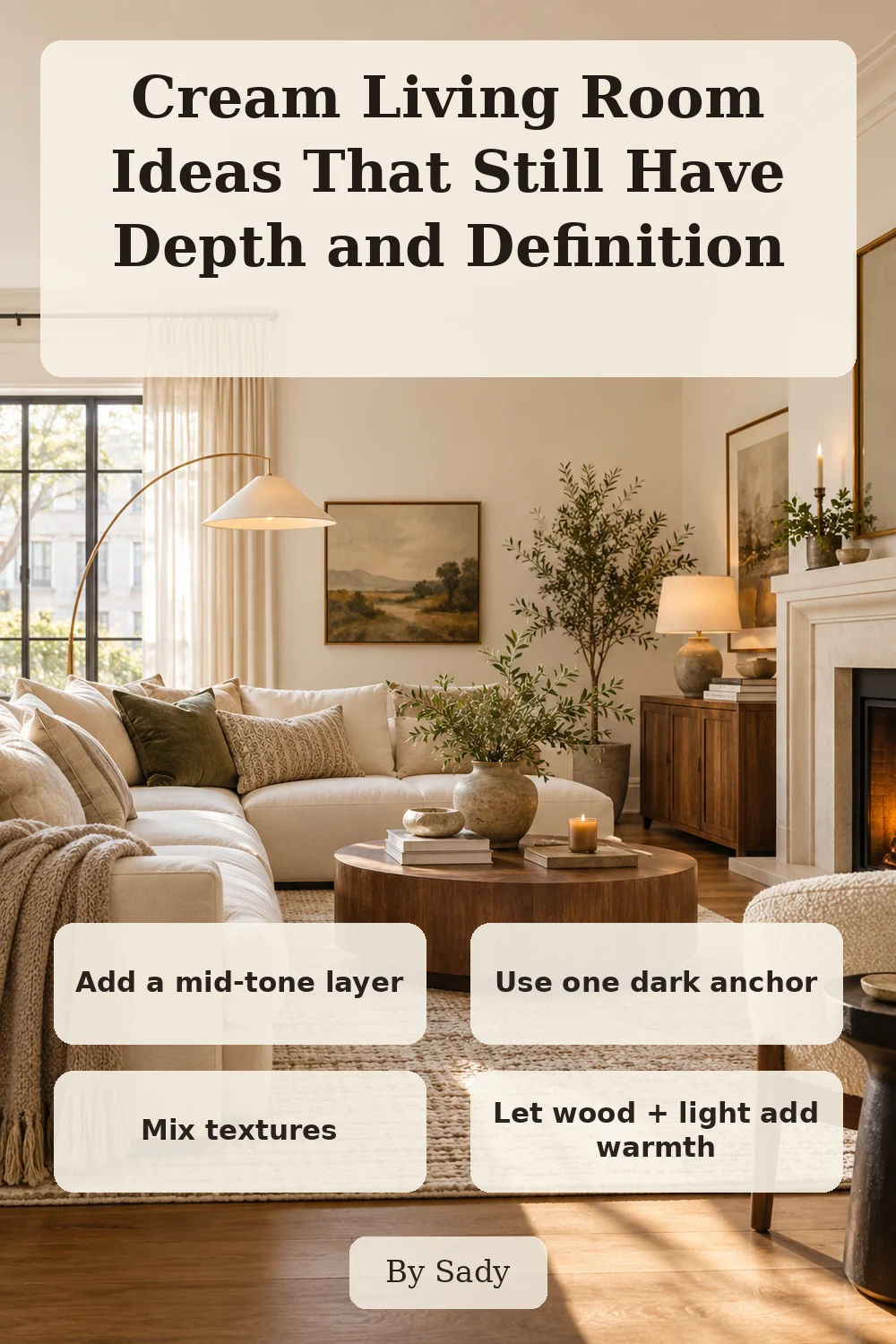
More from Warm Neutral Living Rooms.
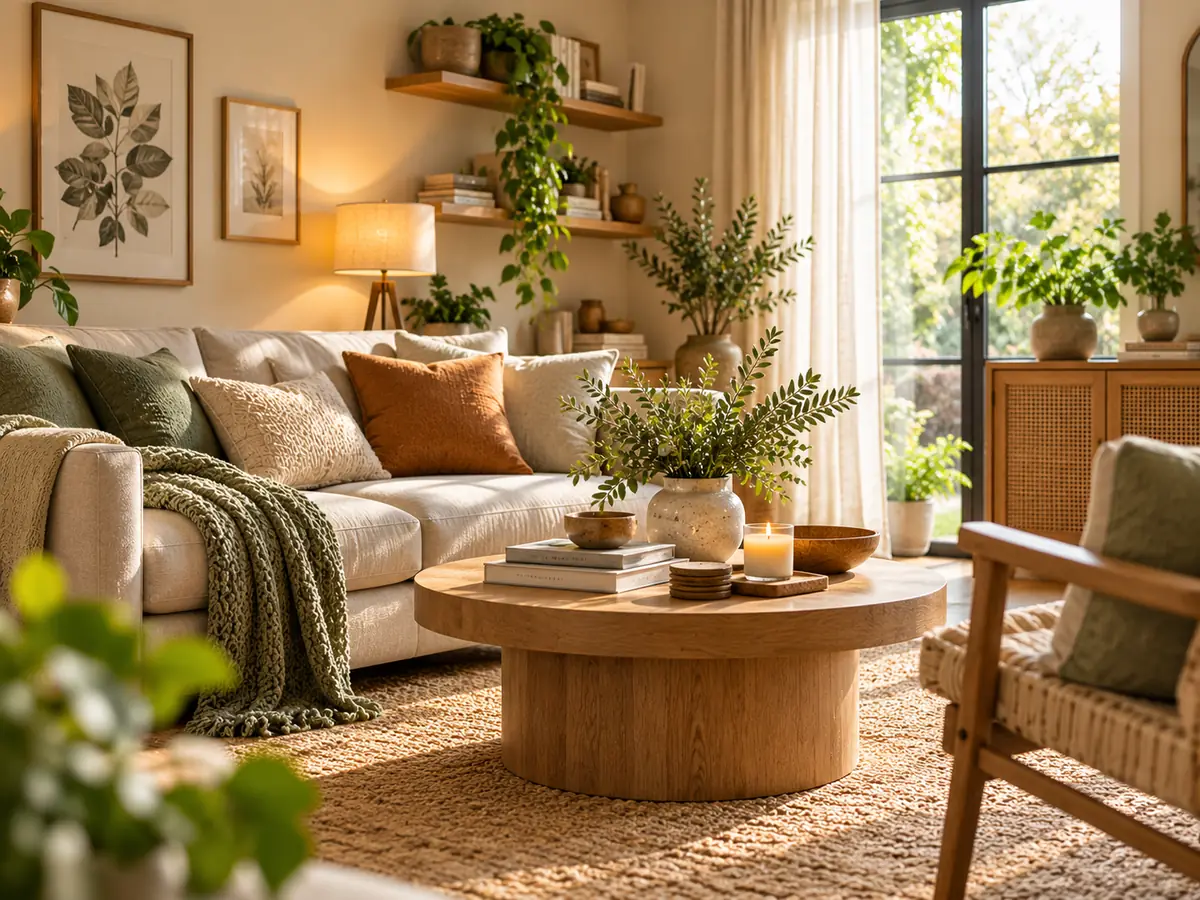
How to Mix Textures in a Neutral Living Room Without Making It Busy
A repeatable texture framework for neutral living rooms using surface, scale, sheen and material contrast instead of piling several similar beige textiles into one room.
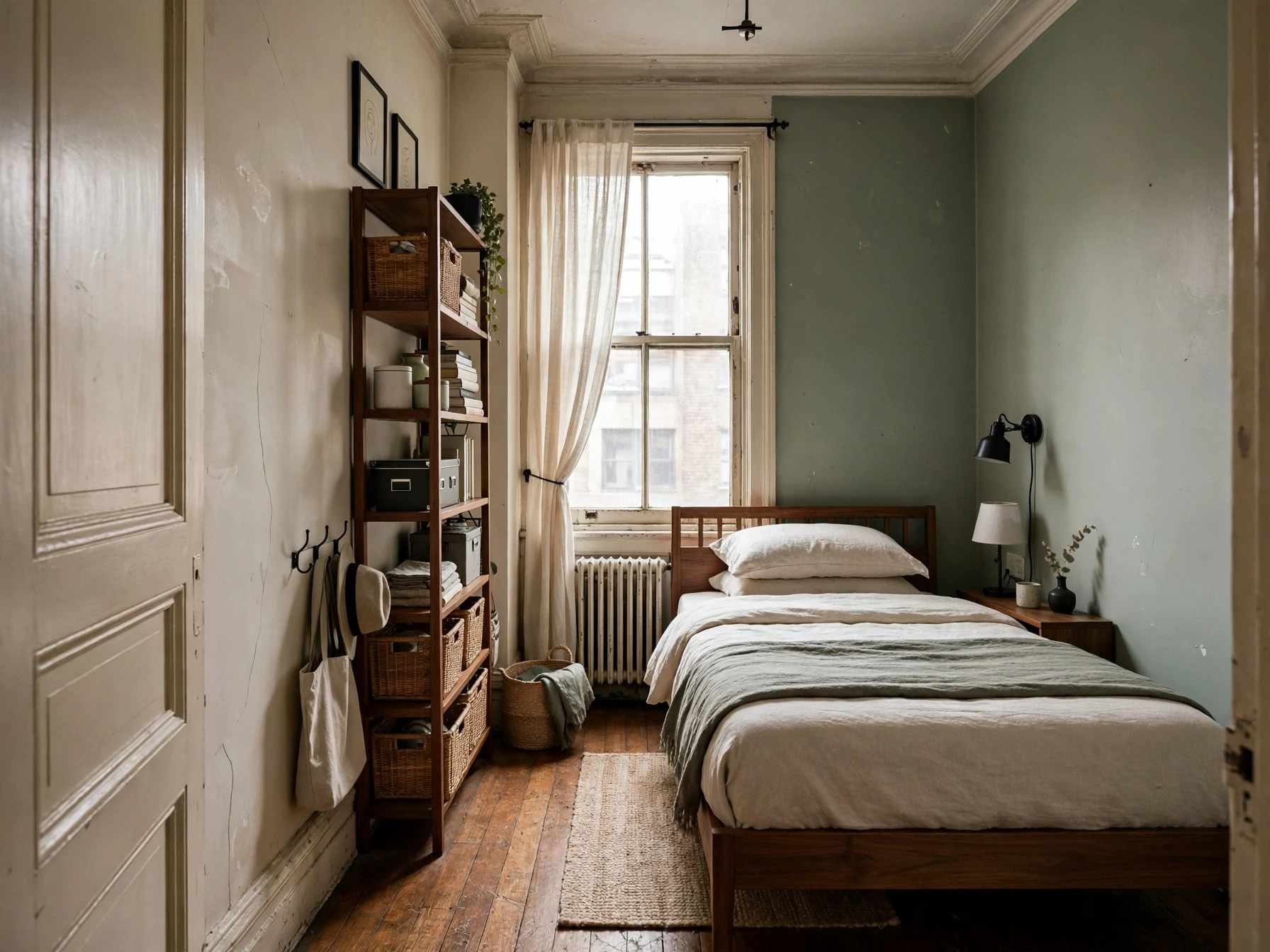
Small Bedroom Ideas: A Complete Guide to Layout, Storage, Lighting & Style
A practical small-bedroom design guide built around floor planning, circulation, storage, lighting and the details that make a compact room feel calm instead of crowded.
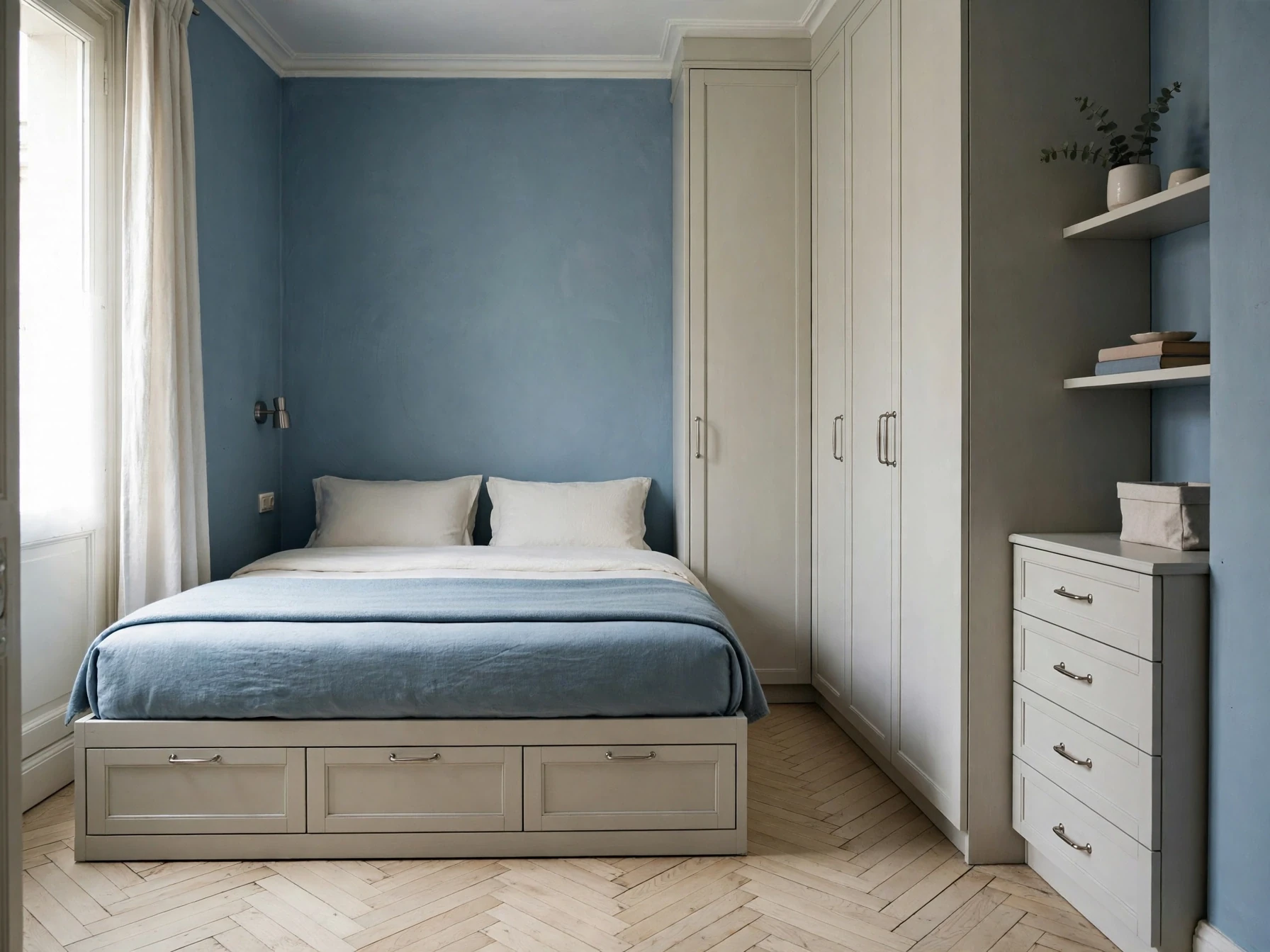
Small Bedroom Storage Ideas: A Practical System for Finding More Space
A storage-first guide for small bedrooms, with a simple system for deciding what belongs under the bed, beside it, on the walls, inside the wardrobe and out of sight.