Household Clutter & Storage Statistics 2026: Where Mess Builds and How Homes Cope
A citable 2026 reference on household clutter, storage behavior, misplaced items and organization based on IKEA’s 31-market Store & Organize research and Life at Home findings.
Clutter is not evenly distributed around the home, and it is not merely a visual problem. The 2026 IKEA research maps where mess accumulates, where it creates friction and how households improvise storage when space feels tight.
Part of the By Sady guide Small Bedroom Storage Ideas →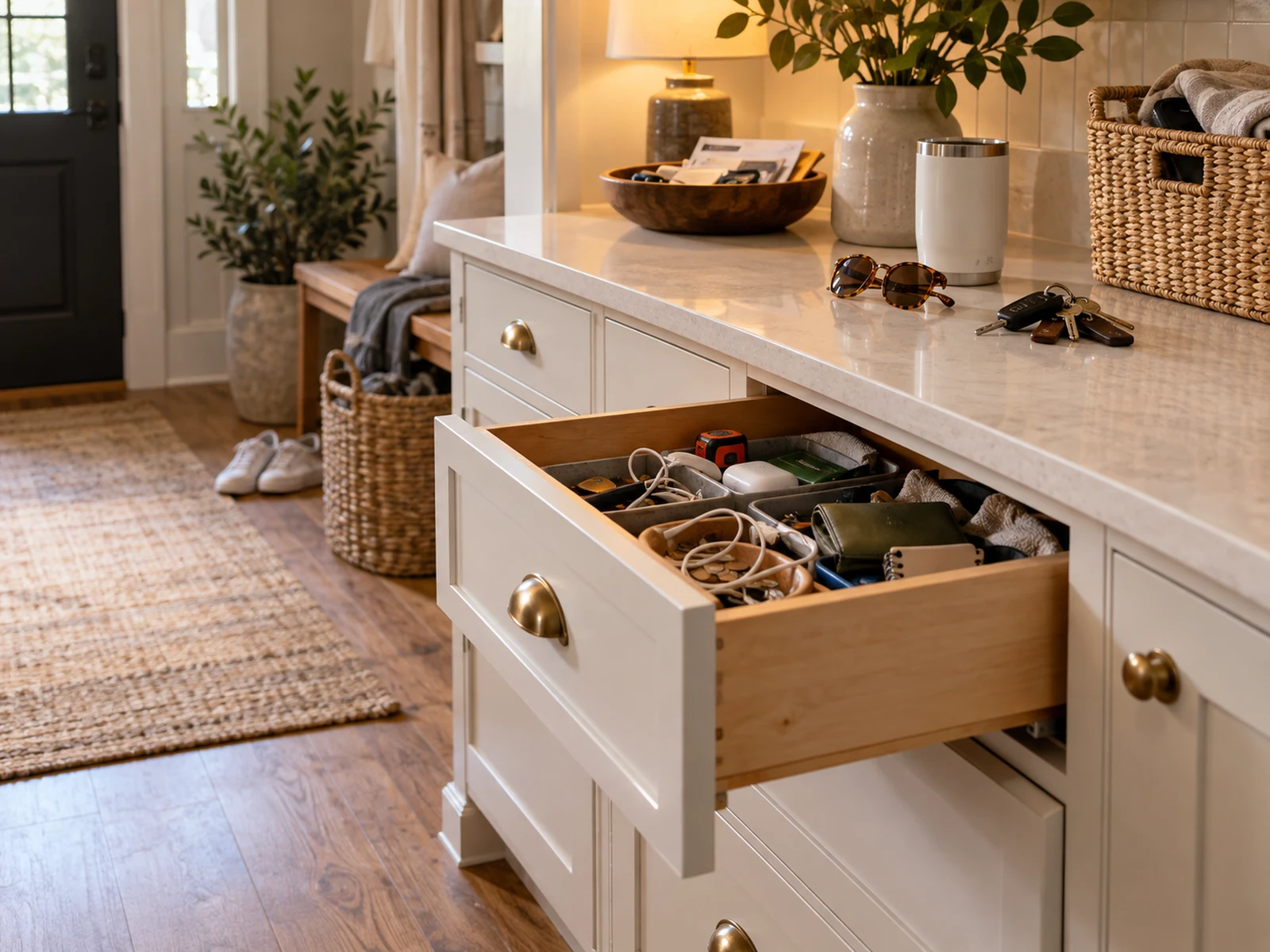
What matters most
- 01
IKEA’s Store & Organize Report 2026 surveyed 31,488 participants across 31 markets in April 2026.
- 02
Sixty-eight percent of households reported a drawer or box containing things without a home.
- 03
Thirty-eight percent reported a “silent protest” behavior of leaving things out for someone else to deal with.
- 04
Kitchen countertops were the hardest space to keep clutter-free for 24% and the most likely clutter location to cause arguments at 37%.
- 05
In IKEA’s 2026 Life at Home material, 37% said they planned to update their storage in the next six months.
Methodology: a global 31-market storage survey
IKEA’s Store & Organize Report 2026 is based on a YouGov survey conducted in April 2026 with 31,488 participants across 31 markets, including the U.S., Canada, multiple European markets, India, China, Japan, South Korea, Australia and New Zealand.
IKEA states that samples were nationally representative within each market and weighted by gender, age and geography. Global findings should be cited as findings across the 31 surveyed markets, not as rates for every household worldwide.
68% of households have a “drawer of doom”
IKEA reports that 68% of households in the Store & Organize study have a drawer or box that holds things without a home.
The finding is useful because it describes a common storage pattern rather than a specific product category: one location becomes the catch-all for objects whose real storage decision has not been made.
38% report a “silent protest” over mess
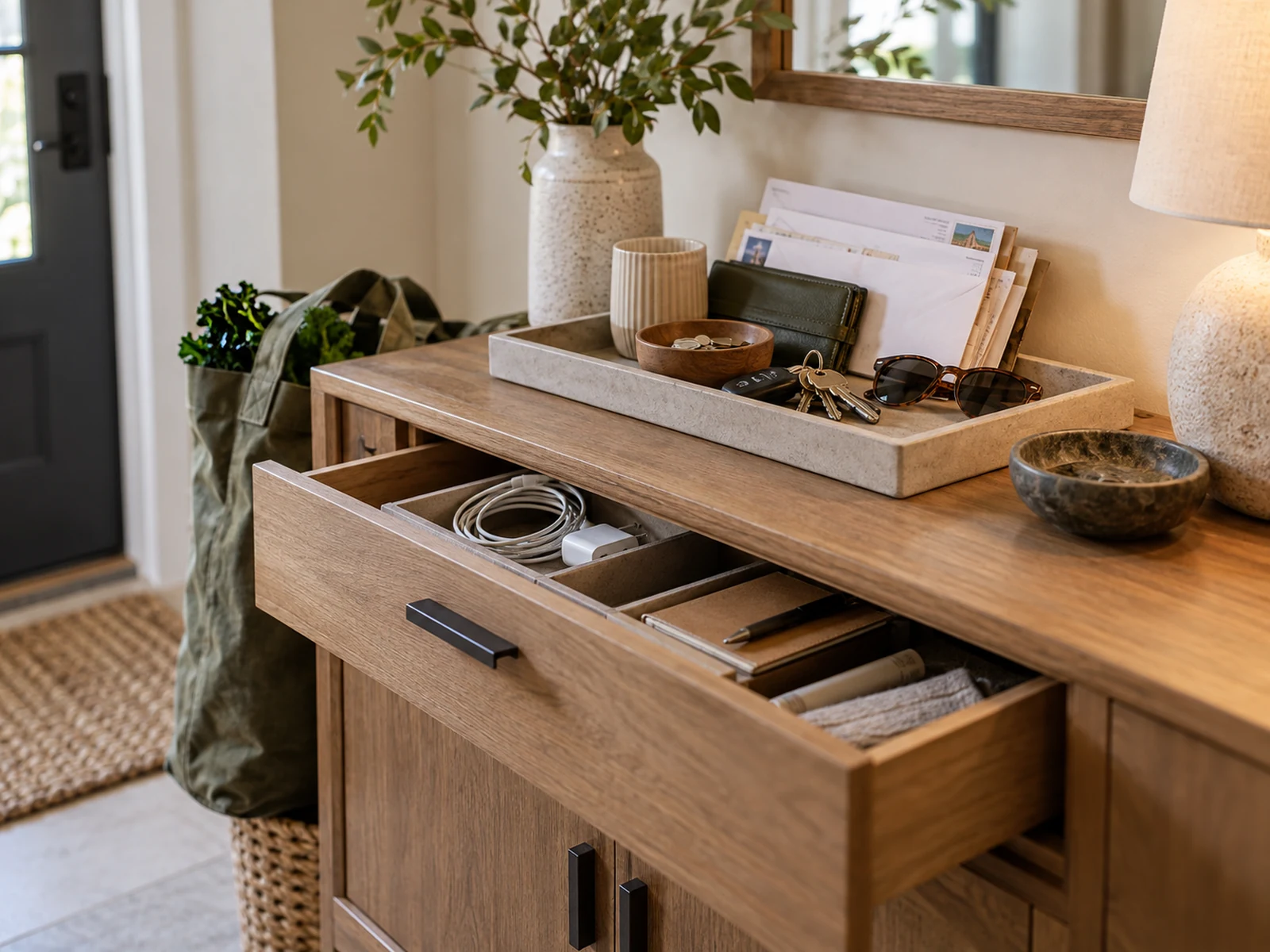
Thirty-eight percent reported that someone in the home leaves things out hoping another person will deal with them.
This is a behavioral finding, not a clinical measure of household conflict. It shows that clutter and responsibility can be socially negotiated rather than simply created by lack of storage.
Kitchen countertops are a clutter battleground
Across the surveyed markets, 24% said the kitchen countertop was the hardest space to keep clutter-free. IKEA also reports that it was the clutter location most likely to cause an argument, at 37%.
These figures support the idea that high-use surfaces behave differently from hidden storage: they collect objects because they sit at the intersection of routines.
| Selected global finding | Share |
|---|---|
| Kitchen countertop hardest to keep clutter-free | 24% |
| Kitchen countertop clutter most likely to cause argument | 37% |
| Silent-protest behavior | 38% |
| Drawer or box containing items without a home | 68% |

One in ten report using the oven for storage
IKEA reports that one in ten respondents globally use the oven as storage. The country-specific figure rises to 21% in South Korea.
Country examples should remain labeled as such. They are useful for showing variation between markets, not for creating a global average from selected countries.
Clutter changes behavior before guests arrive
Thirty-four percent reported moving clutter from room to room before guests arrive. One in ten reported cancelling plans with friends because the house was too messy.
The report also shows wide market differences. IKEA notes that the room-to-room shuffle reached 49% in the UK and guest cancellation reached 28% in China.

Sentimental retention is extremely common
Eighty-two percent said they keep things for sentimental reasons even when the objects are never used or remain out of sight.
This matters to organization research because not all storage demand is solved by “decluttering.” Some belongings are intentionally retained for identity or memory, which changes the storage job.

Time spent searching varies sharply by market
IKEA highlights an 80-minute-per-day figure for India compared with 15 minutes per day in the UK for time spent looking for misplaced items.
Those market-specific estimates should not be averaged casually into a global number. They are best used to illustrate how storage and search behavior differ by country.

37% plan to update storage in the next six months
IKEA’s separate Life at Home Report 2026 material says 37% are planning to update their storage in the next six months.
Because this figure comes from a different IKEA research program, it is presented separately from the Store & Organize survey rather than inserted into the same denominator.
What this research means for storage content
The research points toward three recurring editorial needs: catch-all zones, high-use surface clutter and storage for belongings people intentionally keep.
By Sady uses those themes to build practical guides around bedrooms, living rooms, entryways and beauty storage without claiming that one organizer can solve a behavioral problem.
Continue with this part of the plan Small Bedroom Storage IdeasTurn category and frequency decisions into an actual room storage system.
Read the guide →Citation and data-reuse notes
Use the Store & Organize sample size, field month and 31-market scope when quoting global findings. Label country-specific figures by country.
The companion CSV contains selected public figures for convenience. Researchers should use the original IKEA report for the full questionnaire and market breakdowns.
- Store & Organize survey: 31,488 participants across 31 markets.
- Fieldwork: April 2026, YouGov.
- Selected-data CSV: /data/household-clutter-storage-statistics-2026.csv
- Last editorial data check: October 2, 2026.
Keep the visual summary.
This is the condensed version of the guide, useful when you are planning, comparing options or returning to the key decisions later.
Where the measurable guidance comes from
By Sady's styling advice is editorial. Where this guide uses measurements or specific planning guidance, these are the references used. Always measure your own room and follow local electrical and building requirements.
- IKEA Store & Organize Report 2026
Primary public summary with methodology and top findings from the 31-market survey.
- IKEA Life at Home 2026: Control through storage
Separate IKEA research context for the 37% planning to update storage figure.
More from Research / Storage & Organization.
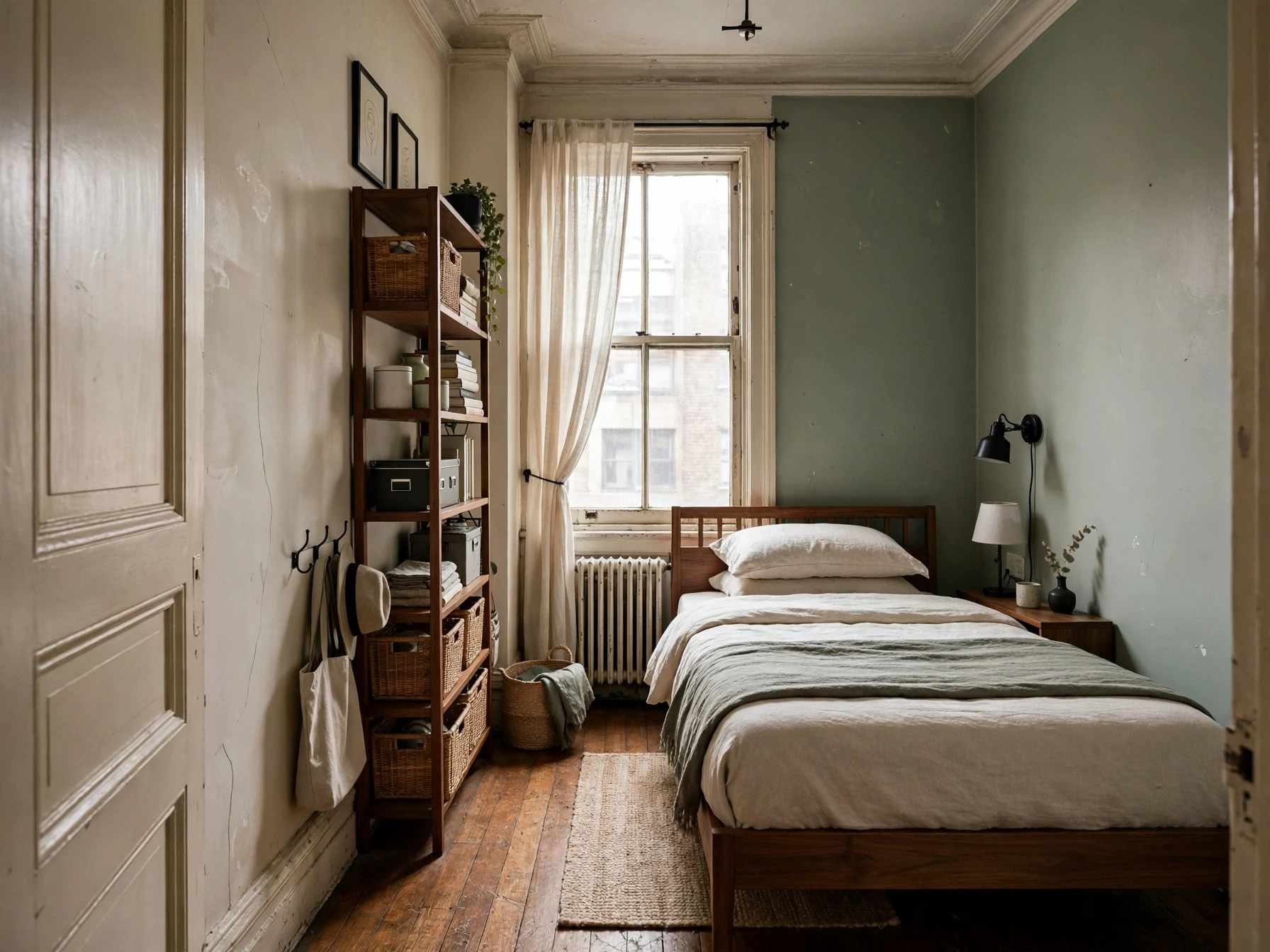
Small Bedroom Ideas: A Complete Guide to Layout, Storage, Lighting & Style
A practical small-bedroom design guide built around floor planning, circulation, storage, lighting and the details that make a compact room feel calm instead of crowded.
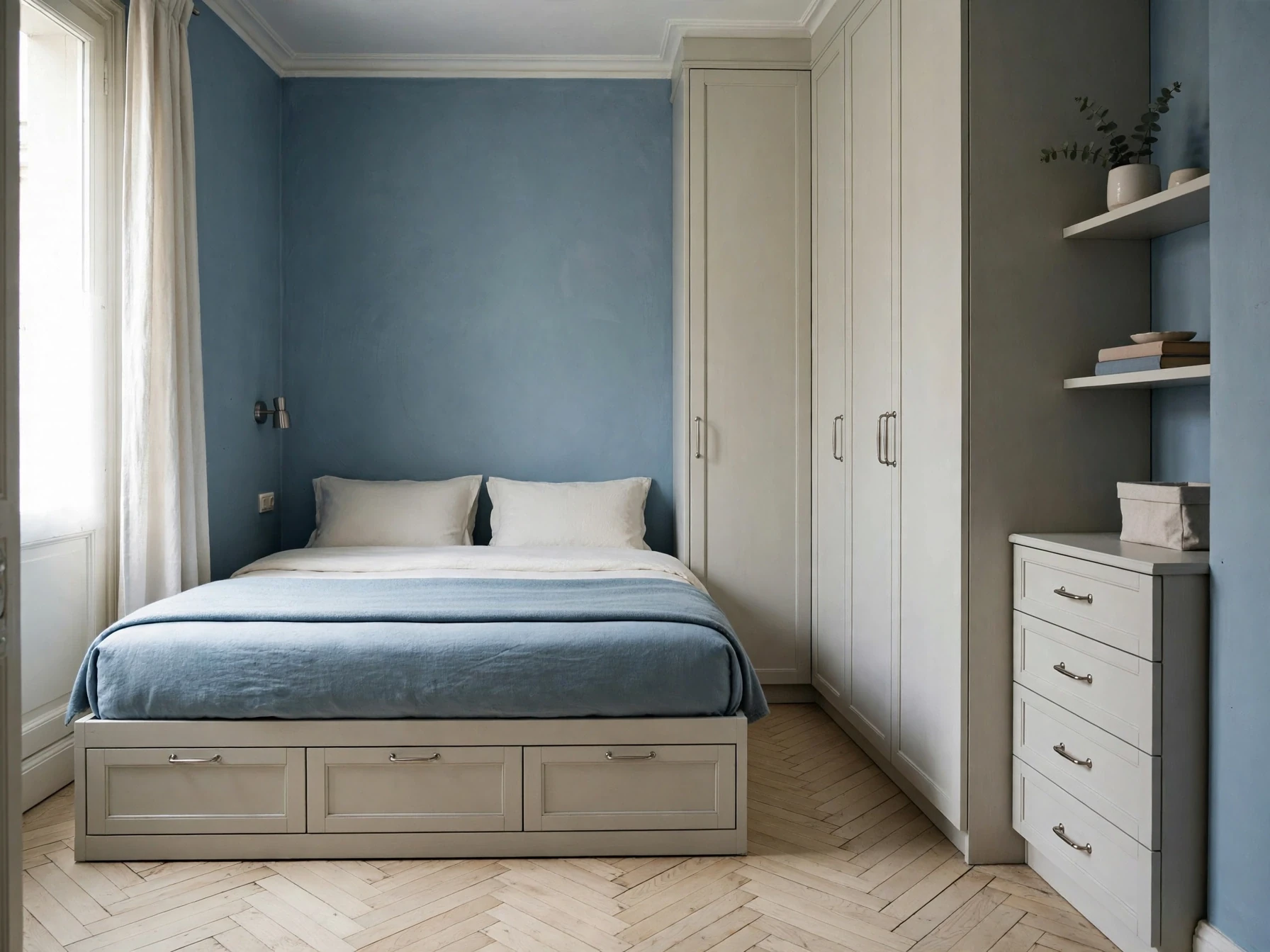
Small Bedroom Storage Ideas: A Practical System for Finding More Space
A storage-first guide for small bedrooms, with a simple system for deciding what belongs under the bed, beside it, on the walls, inside the wardrobe and out of sight.
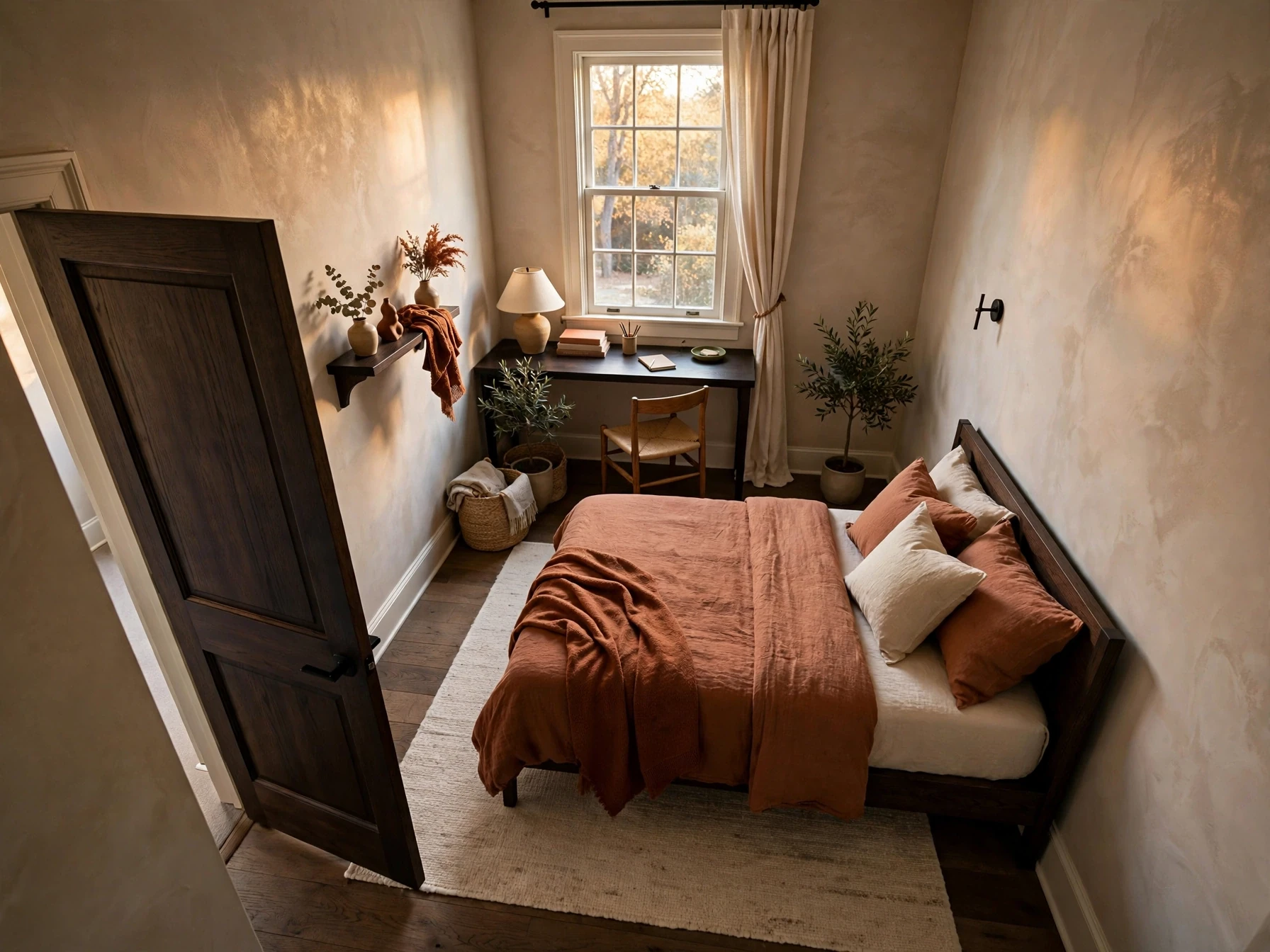
Small Bedroom Layout Ideas: How to Plan the Bed, Storage and a Desk
A practical floor-planning guide for small bedrooms, including queen-bed layouts, narrow rooms, one-sided access, wardrobe clearance and bedroom-office combinations.